

Transdermal gel
Applied to the skin, generally daily. Allows dose adjustment and suspension without the prolonged duration of a deposit. It requires attention to the application and contact of the treated area with other people.

Hormones with clinical context
Individualized assessment
Fatigue, a drop in sexual desire and changes in strength or body composition can lead a man to suspect low testosterone. These symptoms have several causes. An isolated laboratory result is also not enough to define the diagnosis or decide on a replacement.
During the consultation, I try to understand what is happening with the patient: symptoms, previous exams, sleep, weight, metabolic health, medications, previous use of testosterone or anabolic steroids and plans to have children. The objective is to distinguish a persistent hormonal deficiency from changes associated with other health conditions and choose a course of action that makes sense for that man.
Schedule hormonal assessment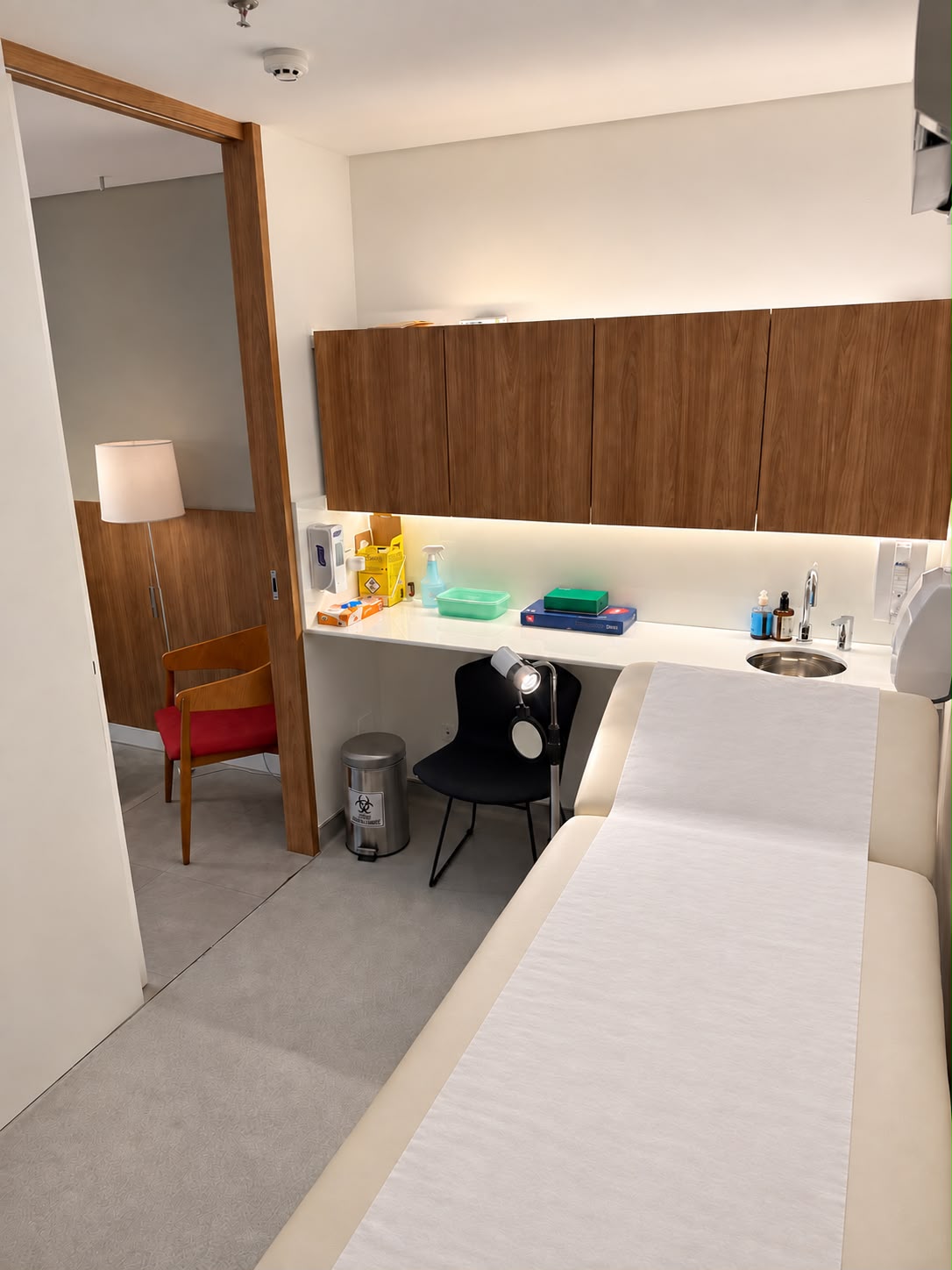
The office
Consultations take place at Itaim, in São Paulo, in a space reserved for calm conversations, examinations and discussions at each stage of the investigation and treatment.
Office 153
Rua Bandeira Paulista, 726, cj. 153Diagnosis
Hypogonadism is the reduction in the production or action of male sex hormones in a compatible clinical context. The assessment brings together history, physical examination and testosterone measurements carried out under appropriate conditions, usually in the morning and confirmed on another occasion when low. Depending on the case, I consider SHBG and calculated free testosterone, LH, FSH, prolactin and tests aimed at other possible causes.
This investigation helps to differentiate problems in the testicles from changes in signals from the hypothalamus and pituitary gland. It also allows you to recognize situations associated with obesity, metabolic diseases, medications, sleep deprivation or androgen use. Not every drop in testosterone requires replacement: in some cases, treating the associated condition is the first measure.
Fertility
This question comes before the prescription. Testosterone administered from outside the body, whether in gel, injection or other presentation, can suppress sperm production. Therefore, testosterone replacement is not a treatment for male infertility and should not be initiated as if it were indifferent to the patient's reproductive plans.
In selected situations, especially when there is a change in the hormonal stimulus to the testicles, treatments that seek to recover or stimulate the reproductive axis can be discussed. The choice depends on the diagnosis, the sperm count and the time available for the project of having children. I also evaluate men whose hormonal and sperm production has been suppressed by the use of testosterone or anabolic steroids; Recovery requires monitoring and its time and results vary.
Judicious indication
For men with confirmed hypogonadism, compatible symptoms and no contraindications, testosterone replacement may be an option. Before starting it, we talked about expected benefits, limits, risks, alternatives and the need for monitoring. The goal is not to seek an ever-increasing number on the test, but to treat a diagnosed condition by maintaining adequate levels and observing clinical response.
Therapeutic possibilities
No route of administration eliminates the need for diagnosis, fertility assessment and monitoring. The choice considers effectiveness, patient preference, ease of adjustment, cost, availability and risk profile.
Applied to the skin, generally daily. Allows dose adjustment and suspension without the prolonged duration of a deposit. It requires attention to the application and contact of the treated area with other people.
They include presentations such as cypionate and combinations of esters available on the Brazilian market. The interval depends on the product and therapeutic plan; Fluctuations in hormonal levels may occur between applications.
Testosterone undecylate is an option that lasts longer between applications. Because it remains active for longer, it requires an especially careful decision when there is doubt about tolerance, adverse effects or reproductive desire.
Small deposits implanted under the skin are described and used in some countries. In Brazil, it is essential to distinguish an industrialized medicine with health registration from a manipulated formulation. Manipulated implants are subject to specific Anvisa rules; they should not be treated as an aesthetic solution, for performance or as an automatic choice for hypogonadism. The long duration and less ease of adjusting or interrupting exposure also factor into the clinical decision.
There are modern oral formulations of testosterone undecylate, transdermal patches, buccal systems, intranasal gel and some specific subcutaneous injections. These presentations should not be presented as regular use options available in Brazil: registration, commercialization and access vary by country and may change. When relevant, I explain these differences to the patient and check the current regulatory situation before mentioning any specific product.
Continuity of care
After starting therapy, I evaluate symptoms, hormone levels and possible adverse effects. Hematocrit, PSA when relevant, blood pressure, cardiovascular health and other clinical aspects require attention depending on age and history. If the response does not correspond to expectations or problems arise, we reevaluate the dose, presentation and even the need to continue treatment.
Male hormonal health is not just about testosterone. It involves understanding the cause of the change, protecting the patient's health and respecting what they want for their life, including their fertility plans.
Next step