
sexual medicine
sexual medicine
Sexuality does not fit into a single exam
Listening, discretion and context
Understand the symptom and the person.
Erection difficulties, altered ejaculation or loss of desire can have physical, hormonal, emotional and relational causes. In the consultation, I try to understand the symptom and also what it means in that person's life.
My approach starts from a personalist view of sexuality. This means taking the patient's body, history, bonds and values seriously. The conversation is reserved, frank and conducted without ready answers or imposition of judgments.

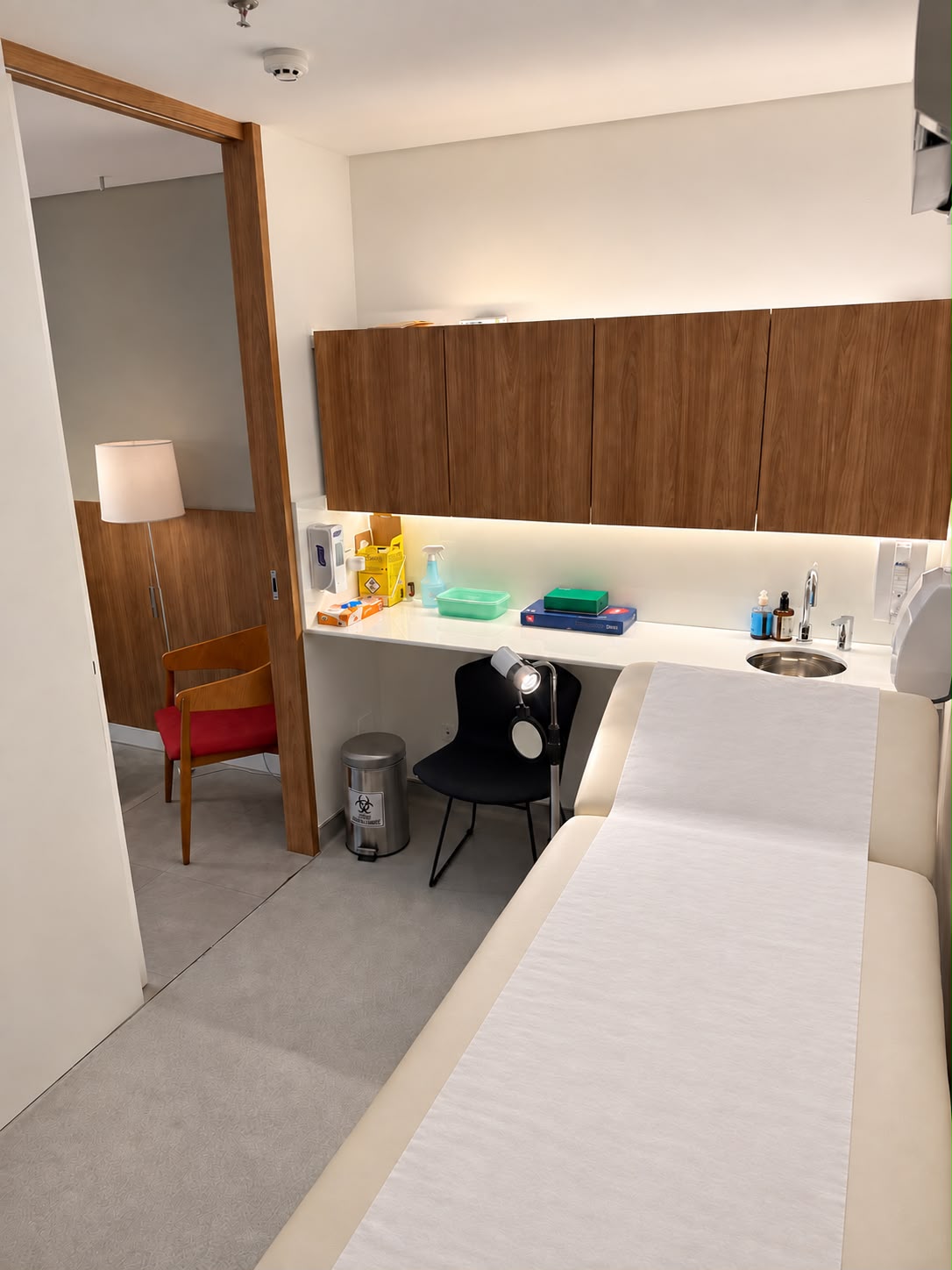

The office
An environment reserved for consultation.
Consultations take place at Itaim, in São Paulo, in a space reserved for calm conversations, examinations and discussions at each stage of the investigation and treatment.
Office 153
Rua Bandeira Paulista, 726, cj. 153Itaim · CEP 04532-002
Individualized assessment
What I evaluate
I treat men with erectile dysfunction, premature or delayed ejaculation, changes in desire and other difficulties related to sexual life. I also evaluate Peyronie's disease, which can cause penile curvature, pain or difficulty in intercourse. These conditions do not always have the same origin and, therefore, should not automatically receive the same treatment.
From listening to conduct
How the query works
First, we talk about when the complaint started, how it evolved and in which situations it appears. I ask about general health, sleep, medications, surgeries, habits, relationships and possible changes in the patient's life. The physical examination and complementary exams are defined according to what this evaluation reveals.
In some cases, a sexual complaint also helps identify a previously unrecognized health condition. In others, it is necessary to better understand the patient's experience before attributing the problem to a hormonal or anatomical change.
Individualized conduct
Treatment with a clear purpose
Management may include treatment of associated illnesses, adjustments to habits or medications, specific therapy for the complaint and, in selected cases, procedures. I explain the possibilities and their limits so that the decision makes sense for the patient and their life, in addition to seeking a measurable improvement in the symptom.
Next step
A private conversation to understand your complaint.
The assessment guides which tests and treatments make sense for each situation.