


Skip to content

Technology applied to Urology

Robotic Surgery

Technology as a tool, with defined indication for each case

How it works

The system expands the surgeon’s possibilities.

In robotic surgery, the surgeon controls the instruments from a console, with an expanded view of the operating field. The system does not operate alone. The technology offers resources that can be useful in certain procedures, but its indication depends on the diagnosis, the patient's characteristics and the objective of the surgery.

The office

An environment reserved for consultation.

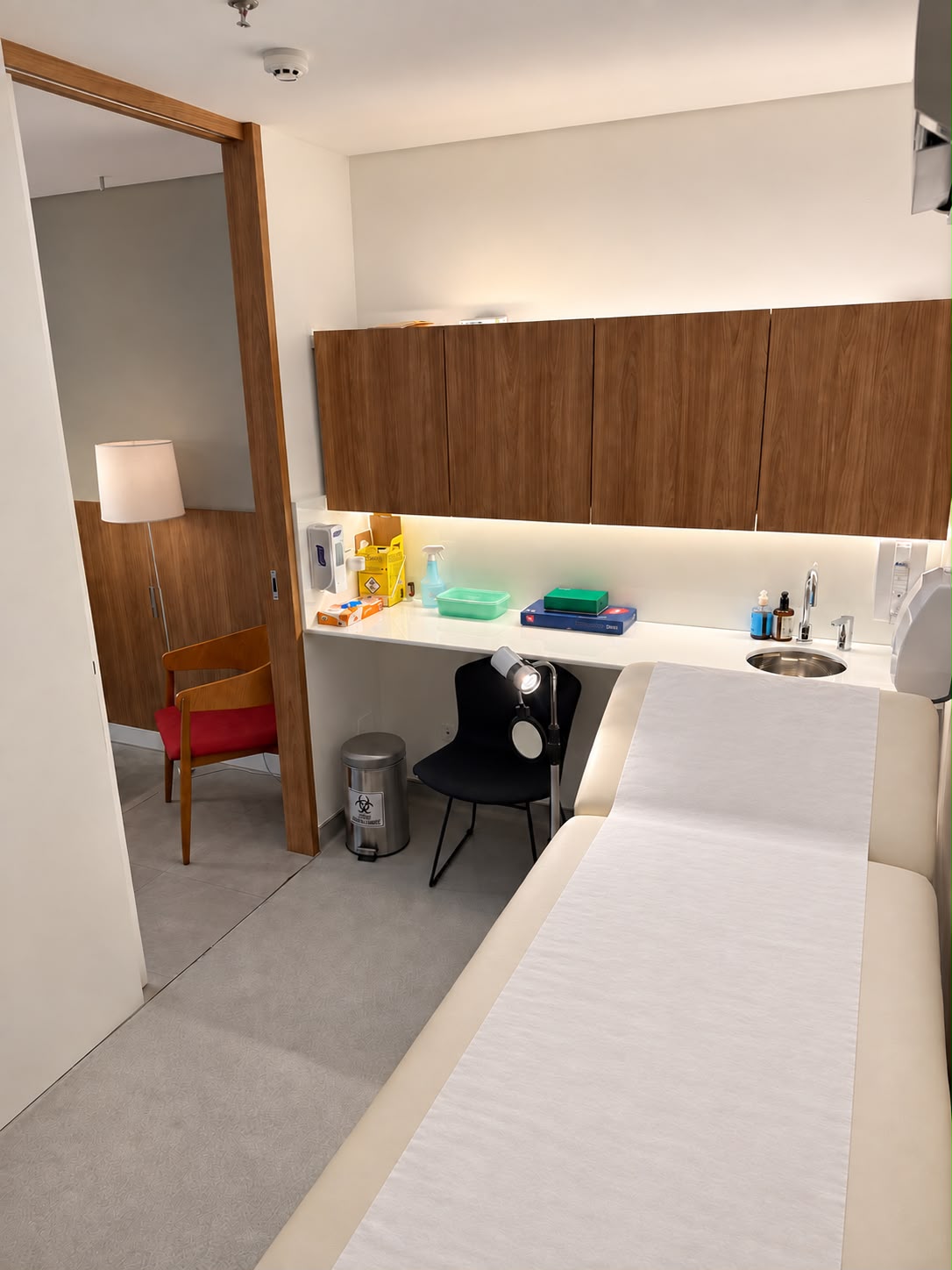
Consultations take place at Itaim, in São Paulo, in a space reserved for calm conversations, examinations and discussions at each stage of the investigation and treatment.

Office 153

Rua Bandeira Paulista, 726, cj. 153
Itaim · CEP 04532-002

Training and experience

A trajectory built over more than ten years.

My training in this area began more than ten years ago. I completed training on the da Vinci system, from Intuitive, and at the Orsi Academy, in Belgium. I am also part of the team involved in training robotic surgeons in Luanda, in the robotic surgery implementation and expansion program promoted by the Angolan government.

Applications in Urology

In what situations can it be used?

01

Urological tumors

In urology, the robotic route can be considered in the treatment of tumors of the prostate, kidney, bladder and adrenal gland. Depending on the disease and its extent, the operation may include the removal of lymph nodes, called lymphadenectomy.

02

Benign prostate enlargement

It can also be used in selected cases of benign prostate enlargement, especially when the gland is very large. One of the possible techniques is simple robotic prostatectomy, with transvesical access. This is a different surgery from radical prostatectomy performed to treat cancer.

03

Reconstructive surgeries

Another application is in reconstructive surgeries of the urinary tract, such as pyeloplasty, used to correct an obstruction in the kidney exit region.

Individualized indication

The technique needs to make sense for the procedure and for the patient.

During the consultation, I assess whether the robotic route makes sense for the proposed procedure and explain the alternatives. The choice of technique considers what needs to be treated, what must be preserved and the conditions of each patient.